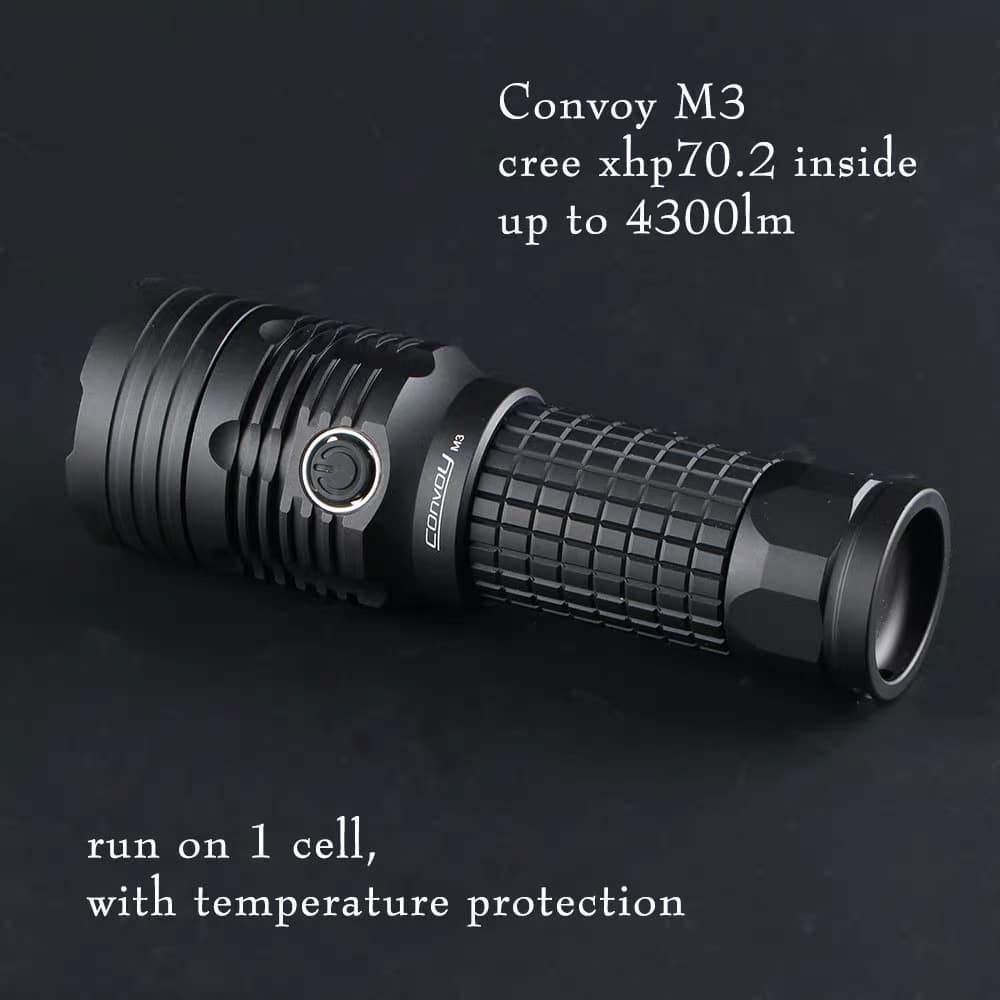
When it comes to demanding work environments, a regular flashlight often isn’t enough. Construction workers, mechanics, security personnel, emergency responders, and outdoor professionals all rely on dependable lighting tools to stay productive and safe. Heavy-duty flashlights are designed specifically for tough jobs, offering superior durability, high brightness, and long battery life. Whether you’re inspecting machinery, working on-site at night, or navigating harsh outdoor conditions, these rugged flashlights ensure you always have reliable light when you need it most.
Common Problems and Solutions
Problem 1: Fragile flashlights that break easily
Many basic flashlights are made of plastic and can crack or malfunction after a single drop.
Solution:
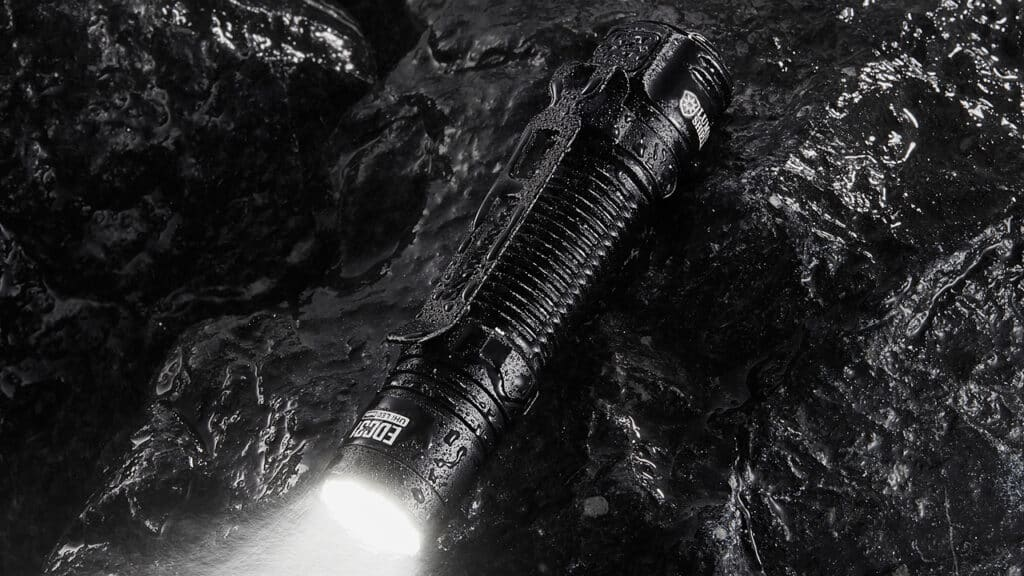
Heavy-duty flashlights come with aluminium or reinforced polymer bodies, making them impact-resistant and strong enough to survive rough conditions.
Problem 2: Poor performance in wet or dusty environments
Standard flashlights often fail when exposed to water, mud, dust, or extreme weather.
Solution:
Heavy-duty models usually include IP-rated water and dust resistance, ensuring they work even in rain, storms, or messy work conditions.
Problem 3: Short battery life
Weak batteries can interrupt important tasks, especially during long shifts or emergencies.
Solution:
Professional-grade flashlights offer extended runtimes, powerful rechargeable batteries, and energy-efficient LED technology.
Problem 4: Insufficient brightness
Cheap flashlights may not provide enough light for detailed inspections or large dark areas.
Solution:
High-lumen heavy-duty flashlights deliver strong, consistent brightness, with adjustable modes to suit different tasks.
Process and Steps
Step 1: Identify your purpose
Decide how and where you’ll use the flashlight. For construction, choose high-impact models. For outdoor use, pick long-range beams. For emergency kits, pick a balanced, all-round model.
Step 2: Check brightness (lumens)
- 300–600 lumens: General work and indoor tasks
- 600–1200 lumens: Outdoor jobs, security, and inspections
- 1500+ lumens: Tactical or professional-grade use
Select a brightness level that matches your typical working conditions.
Step 3: Choose the right battery type
- Rechargeable lithium-ion: Longer runtime, cost-effective, powerful
- AA/AAA batteries: Convenient replacements but shorter life
For tough jobs, rechargeable flashlights are usually the best option.
Step 4: Evaluate durability features
Look for:
- Aluminium alloy or reinforced polymer bodies
- Shock-resistance for accidental drops
- Water and dust resistance (IPX6, IPX7, IPX8)
These features ensure the flashlight performs under pressure.
Step 5: Consider beam type and modes
A good heavy-duty flashlight should offer:
- Adjustable beam (spotlight + floodlight)
- Multiple brightness modes
- Strobe or SOS options for emergencies
This makes the flashlight versatile for different work situations.
Step 6: Examine grip and handling
Models with textured surfaces, rubber grips, and anti-slip designs help you work comfortably even with gloves or sweaty hands.
Tips
- Choose LED flashlights because they offer the best brightness and battery efficiency.
- Pick a flashlight with at least 1–2 metres of impact resistance if you work in rough environments.
- Look for USB-rechargeable models to save money and time.
- For security or tactical use, choose a flashlight with strobe mode.
- Keep an extra battery or power bank if you expect long working hours.
- Test the flashlight grip—comfortable handling reduces fatigue during long use.
Benefits
- Exceptional durability: Heavy-duty flashlights are built to withstand drops, harsh weather, and demanding conditions.
- Better visibility: High lumen output improves accuracy and safety during nighttime or low-light work.
- Long-lasting performance: Rechargeable batteries and efficient LEDs offer extended runtime.
- Multi-purpose use: Ideal for construction, camping, security, automotive work, emergency kits, and home use.
- Cost-effective: Durable builds and rechargeable power reduce replacement costs over time.
- Reliable in emergencies: Water-resistant, shockproof flashlights stay operational during storms, blackouts, and roadside emergencies.
FAQ
Q1: What makes a flashlight “heavy-duty”?
A heavy-duty flashlight is designed with strong materials, high-lumen output, long battery life, and weather-resistant features suitable for demanding environments.
Q2: How many lumens do I need for tough jobs?
For heavy work, 600–1500 lumens is ideal. For tactical or professional use, 1500+ lumens offers superior brightness.
Q3: Are rechargeable flashlights better than battery-powered ones?
Yes, rechargeable flashlights provide longer runtime, consistent brightness, and better long-term value.
Q4: What IP rating should I look for?
For tough jobs, aim for IPX6 or higher. For environments with water exposure, IPX7 or IPX8 is best.
Q5: How long do heavy-duty flashlights last?
With proper care, high-quality models can last several years because of their durable materials and energy-efficient LED bulbs.
Conclusion
Heavy-duty flashlights are essential tools for anyone working in challenging environments or needing reliable lighting. Built with strong materials, long-lasting power, and high brightness, these flashlights provide the reliability and performance needed for tough situations. Whether you’re on a job site, exploring the outdoors, or preparing for emergencies, investing in a high-quality heavy-duty flashlight ensures you always have dependable light whenever you need it most. If you choose wisely based on your needs, your flashlight will remain a valuable and trustworthy companion for years to come.